Draw the delivery area from real journeys
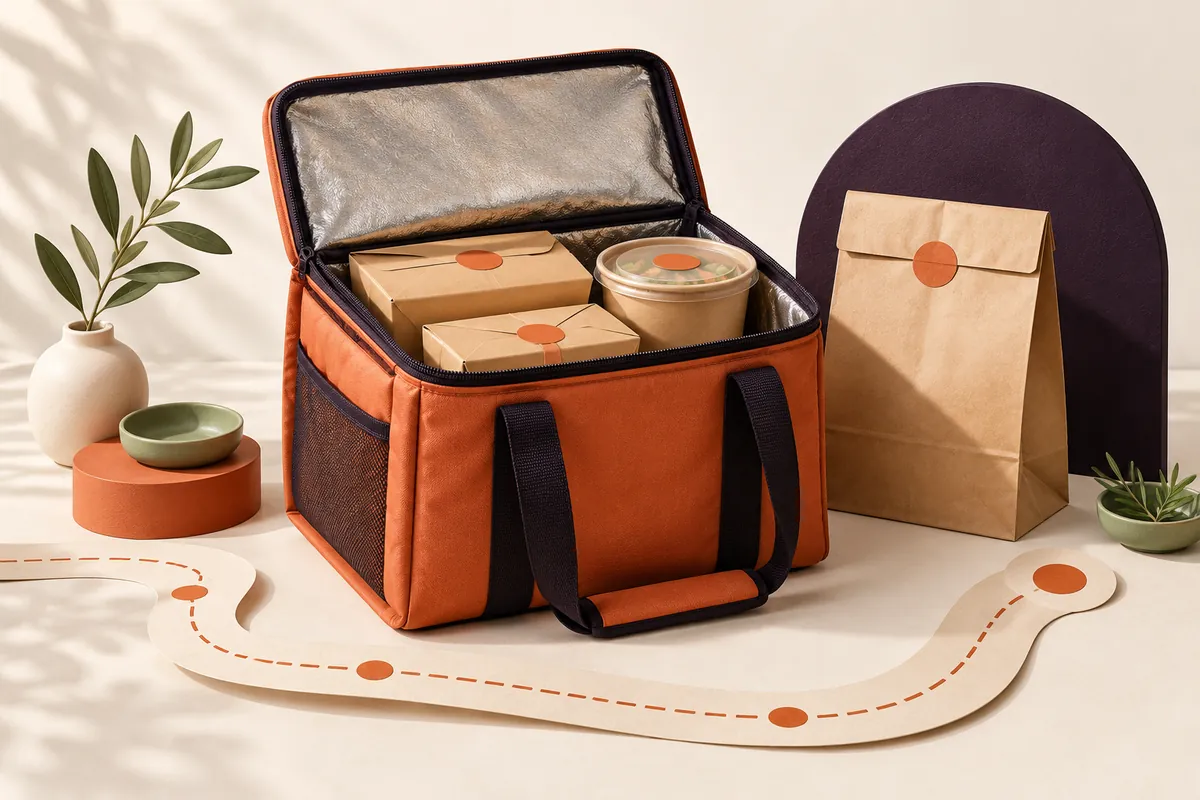
A neat radius on a map does not show traffic, railway crossings, difficult parking or a road that takes twice as long at dinner time. Test representative journeys from your restaurant during the hours you intend to offer delivery.
Choose a manageable initial area and note boundaries that customers can understand. Review addresses near the edge carefully. Consider the round trip, the kitchen preparation time and how many drivers are available, rather than judging only the distance from the restaurant.
- Which streets or postcodes can you serve?
- How does the area change at peak times?
- What happens when every driver is already out?
- Who can pause or change the delivery offer?
Price delivery separately from ordering fees
List your own delivery costs before choosing a customer delivery charge or minimum order. Include the time involved, packaging and any other operating costs relevant to your business. Check staffing, vehicle and insurance arrangements with the appropriate advisers or providers.
When comparing ordering platforms, keep the delivery service consistent. A platform that supplies a courier provides a different service from one that takes an order for your own driver to fulfil. The ordering-cost checklist helps separate those lines.
The 0% commission from tastie. describes restaurant commission. The standard £1 customer service fee is separate from any applicable delivery charge. Confirm the complete arrangement and customer-facing total before launch.
Make the kitchen-to-driver handover repeatable
Give the driver a clear order reference and the information needed to complete that delivery. Check every bag and drink before departure. Keep the instructions consistent so the driver does not need to search through several messages to understand the order.
Agree how the restaurant handles an incomplete address, an unreachable customer, a delay, a damaged item and an unsuccessful delivery. Decide who contacts the customer and who can authorise the next step. Give staff access only to the customer information they need for the job.
Useful handover check: order reference, complete food and drinks, address checked, delivery instructions, customer contact route, departure time and named driver.
Review your food handling, packaging and allergen arrangements with the relevant guidance for your business. This operational checklist does not replace your food-safety procedures.
Test a small service before expanding
Run through both an easy address and a difficult one before promoting delivery. Record actual preparation, departure and arrival times. Averages can hide the longest waits, so look at the problem cases as well as the smooth ones.
Start with a limited area and opening window you can support. Keep a short record of late orders, wrong addresses, refunds and customer questions. Expand only when your team can explain how the extra orders will be handled.
The published offer from tastie. is for collection or your restaurant’s own delivery service. It does not promise a supplied courier fleet or a particular delivery integration. Tell us about your delivery setup so those requirements can be discussed before your restaurant is activated.